
Ofsted Inspection Updates
Ofsted has updated the way nurseries are inspected from 2025, with clearer report cards that show simple grades alongside short explanations of what each setting does well and where it can improve.
Nurseries are now graded on a five-point scale, Exceptional, Strong Standard, Expected Standard, Needs Attention and Urgent Improvement, across key areas such as teaching, early years care, children’s progress, inclusion, leadership, wellbeing, and behaviour.
Stanway’s New Ofsted Report
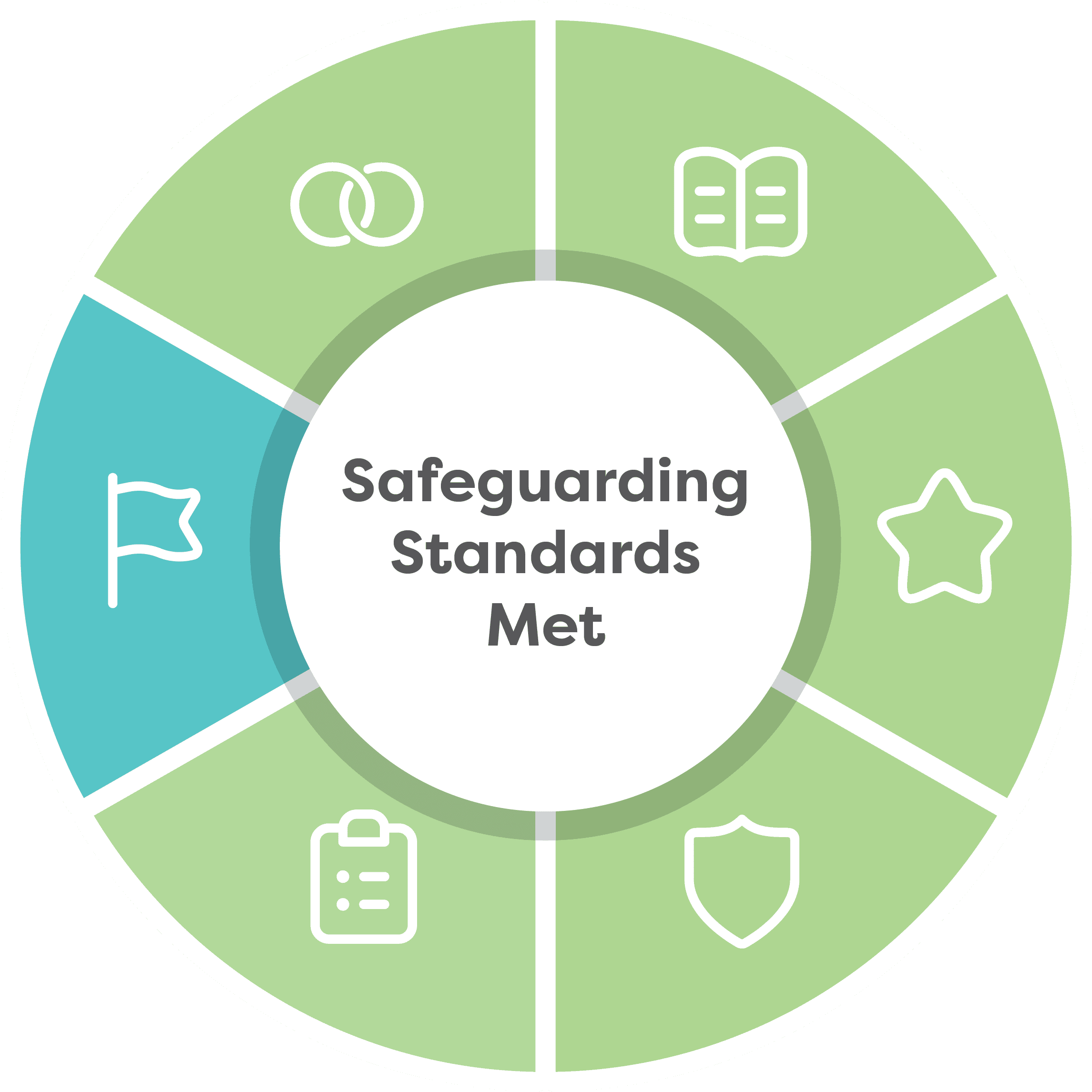
Monkey Puzzle Day Nursery Stanway was inspected by Ofsted on 14 April 2026, confirming that safeguarding standards were fully met and that children are kept safe and feel safe. The nursery achieved Strong Standard for Leadership and Governance, recognising the significant improvements leaders have made since the last inspection, and Expected Standard across the five remaining areas of inspection. Parents and carers can read the full Ofsted report here to learn more about the inspectors’ findings.
New Ofsted Report

What Ofsted Highlighted
Leadership and Governance – Strong Standard
Leaders have made the required improvements since the last inspection, showing a clear dedication to continually reflecting on and strengthening the curriculum and teaching standards. They have set clear goals to build on these improvements, accessing further training and coaching to ensure the curriculum remains inclusive and of consistently high quality. Communication with parents is now consistent and highly effective, with regular key person meetings to discuss children’s progress and plan next steps together, sometimes alongside external professionals. Parents express overwhelming praise for the caring and dedicated staff and the in-depth daily communication about their child’s day, and report a significant increase in their children’s communication and language since attending. Staff feel incredibly supported by the leadership team, with manageable workloads and training that matches their development needs.
Achievement – Expected Standard
All children, including those with special educational needs and/or disabilities, are thriving and achieving very well from their starting points. Children with SEND benefit from tailored interventions, such as one-to-one support when appropriate, helping even the most disadvantaged children achieve their best outcomes across all areas of learning. Children become independent learners and develop the essential knowledge and skills they need for their future learning, and are very proud of their achievements. Older children and those with SEND independently take themselves to quiet spaces to self-regulate when they feel overwhelmed, for example by listening to a calm story, helping them manage their emotions and behaviour as they prepare for school.
Behaviour, Attitudes and Establishing Routines – Expected Standard
Children are happy, and laughter fills the air as they play cooperatively with their peers and staff. Staff support children to build close friendships through turn-taking games, deal effectively with any minor disputes, and model sharing and respect for the needs and feelings of others. Children are praised for random acts of kindness, such as sharing toys, which helps maintain positive attitudes to learning. Staff have high expectations for every child’s behaviour and routines, including those with special educational needs and/or disabilities, and tailored settling-in processes help children develop positive habits, punctuality and good attendance. Leaders provide training in inclusive approaches to behaviour and have introduced focused ‘five-minute observations’ to help staff reflect on key moments of the day, such as transitions to outdoor play.
Children’s Welfare and Wellbeing – Expected Standard
Children are becoming increasingly independent in attending to their personal needs, developing life skills such as cutting up food with a knife and fork with patient, hand-over-hand guidance from staff. They self-serve their own freshly prepared, balanced meals and learn to make healthy food choices. Staff meticulously follow daily risk assessments so that children with special dietary requirements, allergies and intolerances have their needs met, and leaders carry out regular spot checks of all rooms to keep learning environments safe and purposeful. Children develop good hygiene routines in age-appropriate ways, with parents reporting that children sing the nursery’s handwashing song at home. Staff know how to help individual children manage high energy levels, and all children benefit from fresh air and physical play outdoors.
Curriculum and Teaching – Expected Standard
Babies and children develop their physical strength and early mathematics in fun ways, with babies learning to climb on soft-play equipment while counting in sequence alongside staff. Staff respond attentively to babies’ earliest signs of communication, offering to read whenever a book is held out, and babies show excellent attention and listening skills as they build their first words. Recent improvements to the curriculum are highly successful and underpin the typically high-quality teaching found throughout the nursery. Staff use robust assessments to plan for every child’s individual needs, including Makaton sign language and ‘now and next’ boards to help all children communicate and understand changes to routines. Leaders continue to support staff in gathering a broad view of every child’s involvement during activities so that each child perseveres and gets the most from their learning.
Inclusion – Expected Standard
Robust settling-in procedures and a securely embedded key person system mean parents and carers can share what is unique about their child before they start, including the views of any external professionals already involved. Early interventions, such as speech and language support, are actioned straight away, ensuring all children with special educational needs and/or disabilities make progress from their starting points. Partnerships with parents are prioritised and are a real strength of the nursery, with leaders and staff building trusting relationships so that every family receives well-rounded support. Staff use parental input and regular assessments to plan activities around children’s interests and learning priorities, and leaders continue to help staff adapt their interactions swiftly so that children make even more progress.
What it’s like to be a child at Monkey Puzzle Stanway
Children are very happy and enjoy their time at this nurturing and inclusive nursery. A well-established key person system and bespoke settling-in procedures mean babies and children quickly form positive, trusting attachments with staff, and home routines such as sleeping and eating patterns are carried into nursery so children settle smoothly and feel extremely safe. The recently redesigned curriculum is clear, high quality and flexible, and children make particularly rapid progress in their communication and language, supported by visual pictures and Makaton. Older children regularly visit local care homes to practise their communication skills, and a love of books is enhanced with trips to the community library. Indoor and outdoor environments are stimulating and inviting, offering endless opportunities for discovery, from painting the outdoor fence with paint the children have made themselves from beetroot to cooperative play where acts of kindness are noticed and genuinely praised.